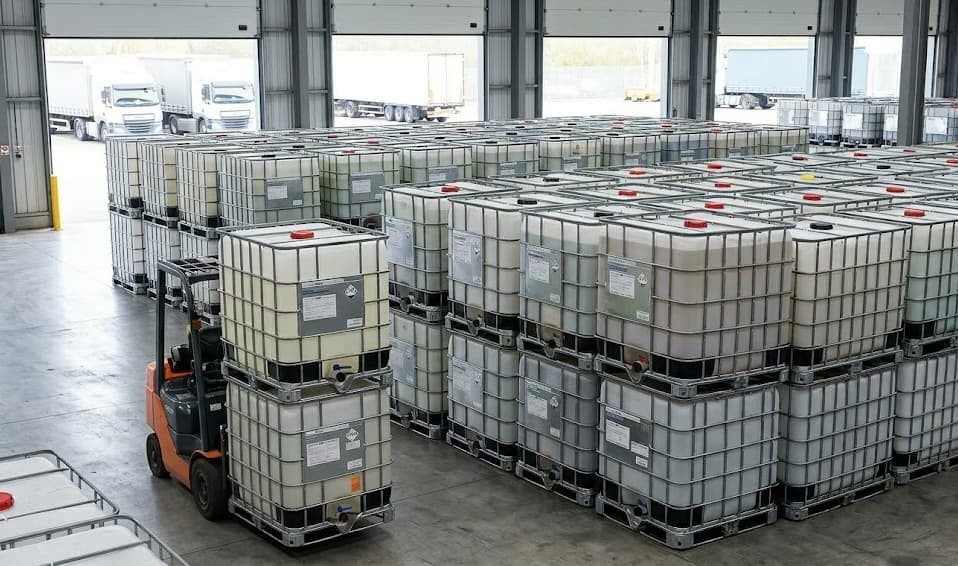
For many Michigan businesses — particularly in agriculture, food processing, construction, and landscaping — spring marks the beginning of peak IBC usage season. After months in cold storage (or worse, outdoor exposure), your container fleet needs systematic attention before it goes back into heavy service. This guide provides a complete spring readiness checklist.
The Spring Assessment: Take Stock First
Before diving into cleaning and repairs, understand what you're working with. Conduct a full fleet inventory including total count of all IBCs on-site (including those hiding behind other equipment or in rarely-visited corners), condition assessment for each unit using a simple A/B/C/Scrap grading, age of each unit (check manufacture dates), previous contents of each unit (check labels and records), and current location and storage condition.
This inventory typically reveals surprises — forgotten units that have degraded, containers you didn't know you had, or fewer serviceable units than you expected. Better to discover this in March than in May when you need them.
Post-Winter Inspection Priority List
Check every IBC for these winter-specific damage types:
Freeze damage: Look for cracked or bulging bottles (especially near the bottom valve), split valve housings, and expanded/distorted caps. Even small amounts of trapped water can cause freeze damage that may not be immediately obvious — run water through each unit and check for new leaks.
Condensation damage: Open each tote and check for moisture, mold, or biological growth inside. Condensation forms inside sealed containers during temperature cycling and can create conditions for bacterial or fungal colonization over several months.
Rodent damage: Inspect all components for gnaw marks, nesting material, or droppings. Mice and rats will chew on HDPE, gaskets, and pallet wood during winter. Contaminated containers need thorough sanitization before use.
Snow and ice loading damage: Check cage structures for bending, broken welds, or deformation from heavy snow accumulation. Inspect pallets for splits or crushing from ice buildup around the base.
UV degradation progress: Compare bottle appearance to fall — look for yellowing, chalking, or increased surface roughness that indicates UV damage progressed during winter's lower-angle but still present sunlight.
The 3-Pile Sort
Based on your inspection, sort every IBC into one of three categories:
Ready to use: Passes all inspection points, clean or requires only minor rinse, all components functional. These go directly into your spring service fleet.
Needs work: Issues that can be addressed — gasket replacement, valve swap, minor cage repair, thorough cleaning, pallet board replacement. Schedule repairs before peak demand begins.
Retire: Cracked bottles, severe structural damage, contamination that can't be remediated, or containers that are simply past their useful life regardless of repair. These should be sold for recycling — don't let non-functional units take up space and create confusion.
Spring Cleaning Protocol
For IBCs moving from winter storage to active service, perform a thorough cleaning even if they were clean going into storage. Condensation, airborne contamination, and surface oxidation over several months mean a quick rinse isn't sufficient.
The spring cleaning protocol includes a full drain to remove any accumulated moisture, a hot water flush at 140F minimum through both the top opening and the bottom valve, a visual interior inspection with flashlight looking for contamination or degradation, valve exercise to verify smooth operation and leak-free closure, a final rinse with water quality appropriate to intended use, and air drying before putting into service.
Procurement Planning
Spring is the ideal time to assess your fleet size against anticipated peak-season demand. Questions to answer include: How many serviceable IBCs do you have after winter culling? What's your peak simultaneous need during busy season? Do you need to acquire additional units? Are there different sizes, grades, or types needed for this year's operations? And should you pre-position containers at satellite locations before they're needed?
If you need additional IBCs for the coming season, order early. Spring is our busiest sales period, and popular grades and sizes (Grade A 275-gallon) sell out temporarily during April and May peak demand. Ordering in February or March guarantees availability and may qualify for off-peak pricing.
Retire and Replace Smartly
Don't just discard end-of-life IBCs — sell them. Even scrap-grade containers have value for their raw materials (HDPE plastic and steel). Contact IBC Recycling Detroit for pickup of your retired containers. We'll pay fair market price for recyclable material, potentially offsetting part of your replacement container cost.
When replacing, consider your actual needs rather than defaulting to what you've always bought. If your application requirements have changed — different products, different volumes, different grade requirements — spring fleet refresh is the time to optimize.
The Spring Fleet Checklist (Summary)
Complete fleet inventory with condition grading. Inspect for winter-specific damage categories. Sort into ready, repair-needed, and retire piles. Schedule and complete repairs on fixable units. Deep-clean all units going into service. Sell retired units for recycling value. Assess fleet size against peak season demand. Order replacement units early for best availability. Update fleet records and tracking documentation.
Taking 2-3 days in early spring to systematically prepare your IBC fleet prevents weeks of disruption during your busiest season. The investment in preparation pays for itself many times over in avoided emergencies, product losses, and operational delays.
Contact IBC Recycling Detroit for spring procurement, repair services, and retirement of end-of-life containers. We're here to help Michigan businesses operate at peak performance.