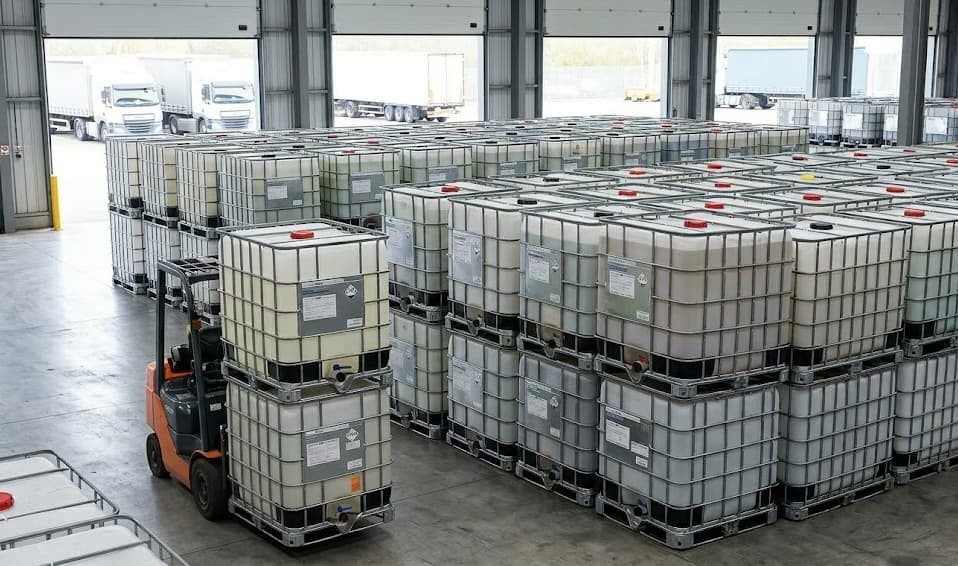
A thorough pre-use inspection of an IBC tote takes approximately 3 minutes. In that time, you can identify issues that could lead to thousands of dollars in product loss, environmental cleanup costs, workplace safety incidents, or regulatory fines. This checklist should be completed every single time a tote is moved from storage to service.
Why Every-Use Inspection Matters
A tote that was perfect three months ago might not be today. Temperature cycling, UV exposure, physical impacts during storage, pests, and simple time-based degradation can all create new issues between uses. Additionally, damage often isn't obvious until you look for it — a hairline crack in the valve housing or a single broken cage weld might not be visible at a glance but could fail catastrophically under product weight.
The 10-Point Inspection Checklist
Point 1: Bottle Exterior — Visual Scan
Walk around the entire tote and visually inspect the bottle through the cage openings. Look for cracks which appear as lines or splits in the HDPE, crazing which appears as a network of fine surface cracks indicating UV degradation, stress whitening which shows as white areas that indicate the plastic has been stressed beyond its yield point, bulging or deformation suggesting previous overfill or pressure events, discoloration from previous contents that might indicate contamination, and punctures or gouges from forklifts or other handling damage.
Any crack, no matter how small, disqualifies the tote from liquid service. HDPE cracks only grow — they never heal.
Point 2: Bottle Interior — Look Inside
Remove the top cap and visually inspect the interior. Use a flashlight if needed. Look for residue from previous contents, biological growth such as mold, algae, or bacteria indicating moisture was trapped, delamination of the inner surface, foreign objects that may have entered during storage, and damage not visible from outside.
Point 3: Top Opening and Cap
Inspect the top opening threads for damage, cross-threading marks, or corrosion. Check the cap gasket for compression set, cracking, or hardening. Ensure the cap tightens smoothly and seats fully. A damaged top seal can allow contamination from rain, dust, or insects during outdoor use.
Point 4: Bottom Valve — The Critical Check
This is the most failure-prone component. Remove the dust cap and inspect the valve outlet threads for damage, operate the valve through its full range to ensure smooth movement, check for any leakage when closed, inspect the valve-to-bottle connection for tightness, and verify the gasket between valve and bottle is intact. If you see any dripping with the valve closed, the tote needs valve replacement before use.
Point 5: Steel Cage — Structural Integrity
Inspect every visible weld for cracks, corrosion, or breaks. Check all vertical and horizontal bars for bends, dents, or missing sections. Verify the cage sits squarely on the pallet without tilting. Look for excessive rust or corrosion, particularly at weld points. A cage with a broken weld or significantly bent member should not be used until repaired, as it cannot adequately protect the bottle during transport.
Point 6: Pallet Condition
Inspect pallet for broken boards, missing blocks, split runners, nail pops, and general structural soundness. Test by pressing on each corner — there should be no flex or movement. Verify the pallet sits flat on level ground without rocking. A compromised pallet can fail under the weight of a full tote (up to 2,900 lbs), causing a catastrophic spill.
Point 7: Labeling and Markings
Verify the UN marking (if applicable) is present and legible. Check the manufacture date against the 5-year service life for hazmat use. Ensure any previous content labels have been removed or accurately updated. Verify that proper labels for the new contents are applied before filling.
Point 8: Cleanliness
Confirm the tote has been properly cleaned for its intended use. Look for any residue, odor, or discoloration that suggests inadequate cleaning. For food-grade applications, verify that a cleaning certificate exists and that sanitization was performed.
Point 9: Accessories and Fittings
If the tote uses any adapters, reducers, or specialized fittings, inspect each one. Check thread condition, gasket integrity, and proper seating. Ensure cam lock arms operate freely and that safety clips are in place where applicable.
Point 10: Documentation
For regulated applications, verify that inspection records, cleaning certificates, and content tracking documentation are current and accessible. Document this inspection with date, inspector name, and findings. This creates the paper trail needed for compliance.
Disposition After Inspection
Pass: Tote is suitable for its intended use. Proceed with filling.
Conditional: Minor issues that can be addressed (such as gasket replacement, valve lubrication, or label removal) before the tote is suitable for use.
Fail — Repairable: Issues like broken welds, damaged valves, or worn gaskets that can be professionally repaired.
Fail — Retire: Cracked bottles, severe deformation, or structural cage failure. These totes should be sent for recycling rather than repair.
Making Inspection Routine
The biggest challenge with pre-use inspection isn't knowing what to check — it's building the habit. Post this checklist near your IBC storage area. Train all personnel who handle totes. Make inspection a non-negotiable step in your standard operating procedure. The 3 minutes it takes will save you from the one time a failed tote causes a costly incident.